As an Amazon Associate, we earn from qualifying purchases. Some links on this site are affiliate links at no extra cost to you. Our recommendations are based on thorough research and editorial judgment.

Which Supplies Are Handy For Bookbinding?

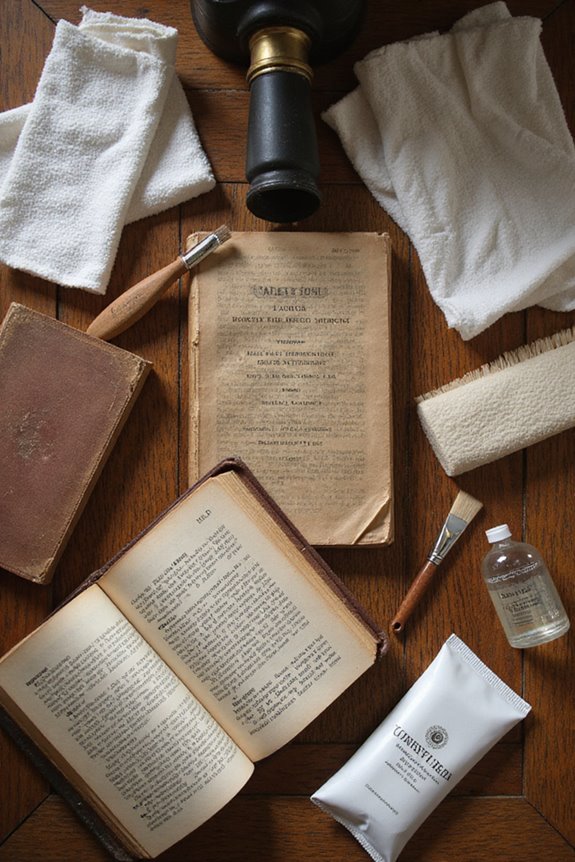
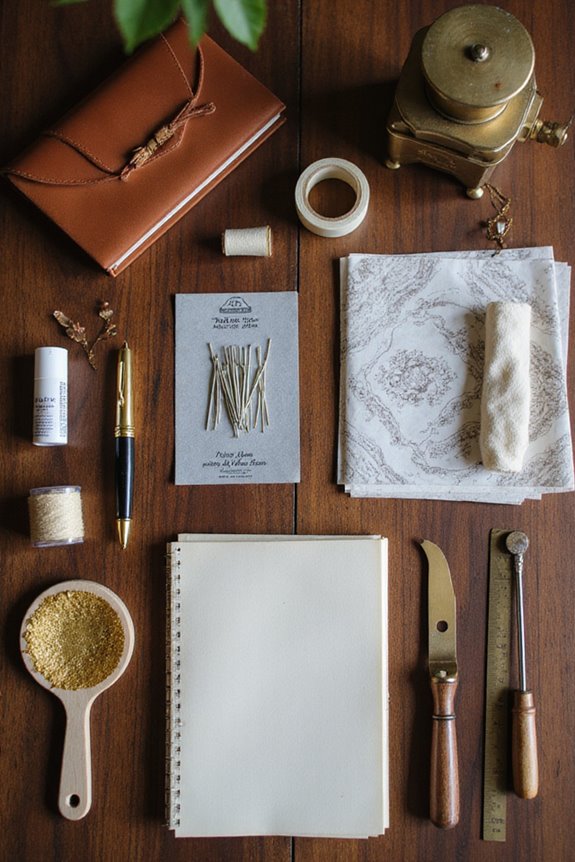
When it comes to bookbinding, we’ve got some key supplies to keep in mind. We need cutting tools like a mat knife, measuring tools such as a metal straightedge, and needles—straight or curved—paired with strong threads. Let’s not forget about adhesives like PVA and the right paper, perhaps 80 gsm for text-heavy books. We should also consider pressing techniques, using weights for even pressure. Stick with us, and we’ll explore even more essential supplies you won’t want to miss!
Key Takeaways
- Essential cutting tools include mat knives, slitting knives, and scalpels for precise trimming and intricate details.
- Use marking tools like a metal straightedge, ruler, and pencil for accurate measurements during book construction.
- Needles, such as straight and curved ones, paired with sturdy threads like linen or mercerized cotton, are vital for sewing.
- Strong adhesives like PVA, PUR, and animal-based glue ensure durable bonds throughout the binding process.
- Proper paper types and board thickness enhance the functionality and aesthetic appeal of the finished book.
Essential Hand Tools for Bookbinding
You may be interested

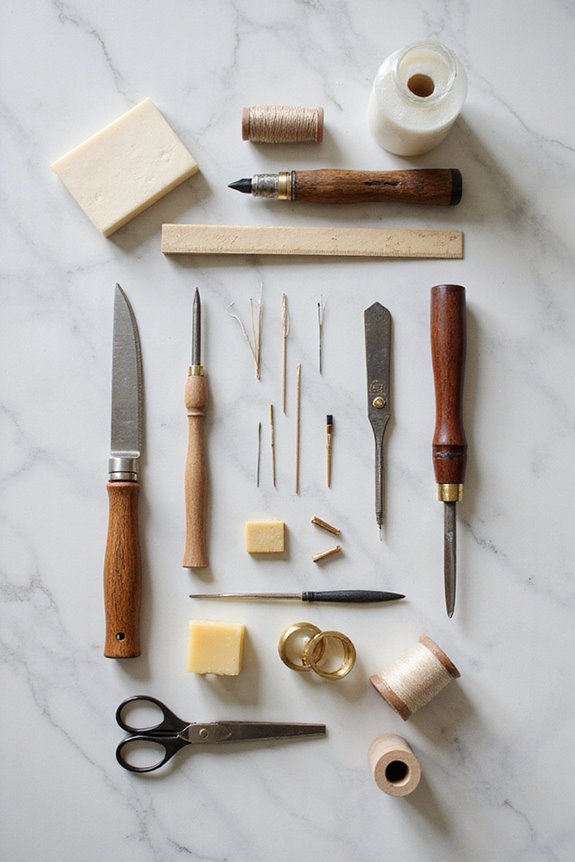
When diving into the world of bookbinding, having the right hand tools can make a world of difference. First, you’ll need some cutting tools. A mat knife is perfect for cleanly slicing through board and paper, while a slitting knife works wonders for finer cuts. Don’t forget the indispensable scalpel for intricate details!
Next, let’s talk marking tools. A metal straightedge or ruler will help us create straight lines, and a trusty pencil guarantees our measurements are precise. A brass square will prevent stains on leather while marking. We can’t overlook the importance of dividers for consistent spacing when marking sewing stations. With these essential tools, we’re set to create beautiful, well-constructed books that reflect our craftsmanship!
Recommended Products

【SEWING CUTTING MAT】Aneuzs self-healing cutting mat protects your work surface. Compatible with rotary cutters and straight blades, won't hurt the cutter blade and keep the blade sharpness. Ideal for artist, crafters, quilters, engraver and hobbyists

SELF HEALING ROTARY MAT - Our rotary mat is self-healing, it reseals surface cuts for a continually smooth cutting surface. Using a self-healing cutting mat extends the life of your blade and protects the surfaces of your work area.
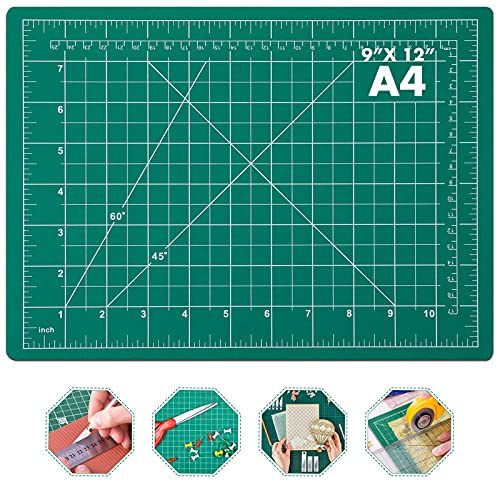
【SEWING CUTTING MAT】Aneuzs self-healing cutting mat protects your work surface. Compatible with rotary cutters and straight blades, won't hurt the cutter blade and keep the blade sharpness. Ideal for artist, crafters, quilters, engraver and hobbyists
Needles and Thread Options
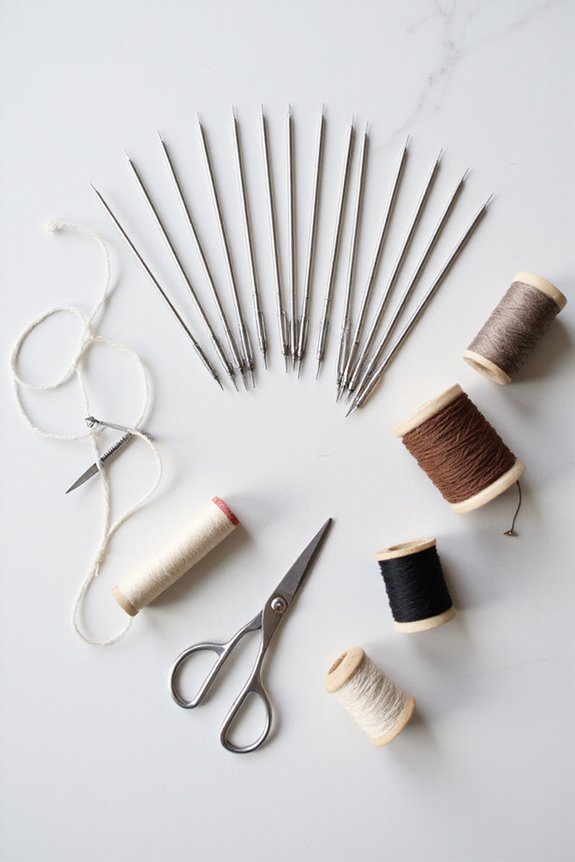
In bookbinding, choosing the right needles and threads can truly elevate our projects. Let’s start with needle types; we’ve got straight and curved needles. Straight needles are perfect for general sewing, while curved ones work wonders around the book’s edges. When it comes to needle length, something between 1-3/4″ and 2-1/2″ usually fits the bill. Now, for thread selection, linen threads are strong and durable, but mercerized cotton threads like No. 16 or No. 25 are great substitutes. Remember, threads should be waxed to prevent kinking and to help with knots. Always match your needle size to guarantee it’s one size thicker than the thread for an efficient, smooth sewing experience. Happy binding!
Adhesives for Strong Bonds
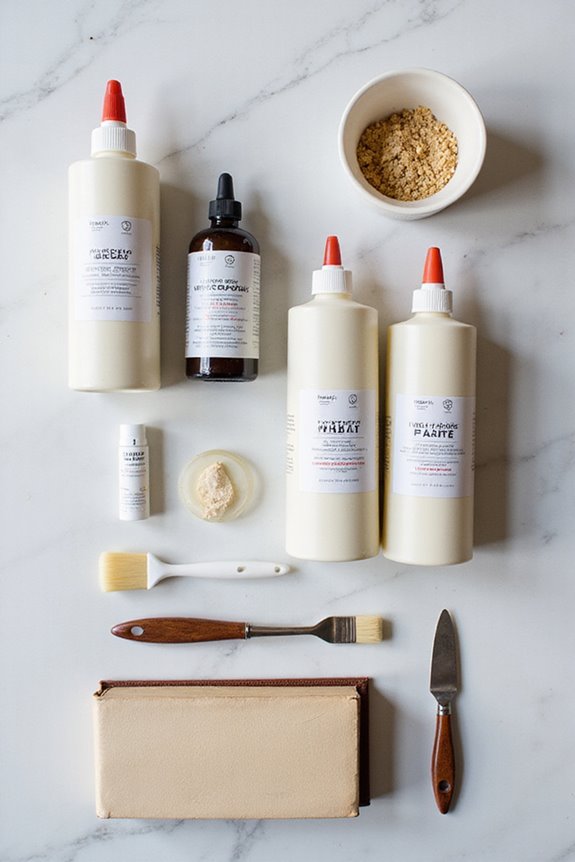
Adhesives are like the unsung heroes of bookbinding, providing the essential bonds that hold our creations together. Choosing the right one can make all the difference! For flexibility and strength, PVA is a top pick, especially for handmade books. If we need something super strong, we can turn to PUR, great for heavily used books—plus, it dries clear! In production settings, hot glue saves time with its rapid bonding. For those classic restoration projects, animal-based glue provides that authentic touch. Remember, each adhesive has its unique adhesive properties, making it important to take into account their applications—like EVA, which is versatile for quick binding but less durable than PUR. So, let’s get stuck on the right choice!
Recommended Products

Acid-free adhesive with a neutral pH

Professional-Grade Strength PVA Book Binding Glue - Crafted with an acid-free, pH-neutral PVA formula, this book binding glue preserves photos, rare books, and heirloom artwork without yellowing or brittleness. Perfect for archival projects, DIY bookbinding, and delicate repairs, it meets professional conservation standards to ensure your creations last for generations

Books by Hand acid-free adhesive has excellent lay-flat properties and dries clear
Pressing Techniques and Weights
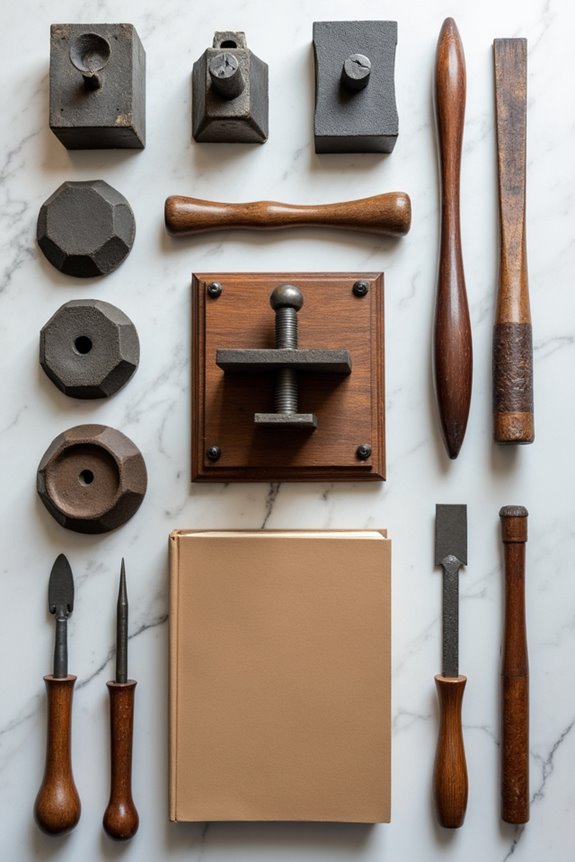
Now that we’ve got our adhesives sorted out, let’s talk about pressing techniques and weights—another vital step in bookbinding that helps us achieve that professional finish. When we’re pressing, we need to guarantee even pressure, so using a book press or a DIY press works wonders. If those aren’t available, we can always stack heavy books or even use bricks wrapped in cloth for additional weight distribution. Clamping our book in place is essential to prevent slanting during the pressing process. Additionally, we want to make sure that our weight is evenly distributed, avoiding any areas that might warp. Remember, it’s all about creating that consistent pressure for a stellar final product! So, let’s get pressing!
Recommended Products
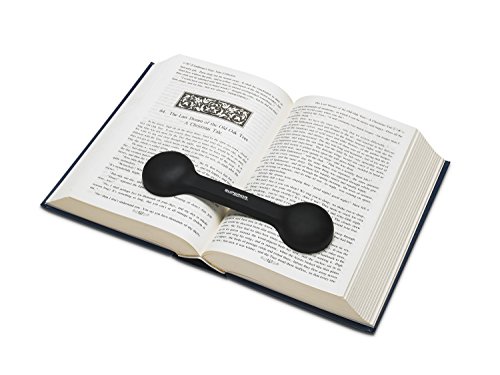
RUBBER PLACEHOLDER: The Bookmark has weighted ends to stay in place and a textured bottom for hands-free reading--NEW AND IMPROVED HEAVIER DESIGN-- Heavier upgraded design is suitable for Hard & Soft Covers & large and small Books

Easy one handed reading: You will receive a leather weighted bookmark and a walnut thumb page holder, which will make reading easy. Whether you're drinking coffee, cooking, or traveling, you can easily enjoy uninterrupted reading. The fun dog shaped walnut thumb page holder have very light pressure, making reading easy and freeing up one hand for multitasking. The leather book weight page holder has weighted metal blocks on both ends, which are enough to press down on thick books, allowing readers to hold them without having to use their hands. Even if there is wind blowing, it won't turn the page.

UNLEASH CREATIVITY WITH EVEN PRESSURE - The Bamboo Book Press is the artisan's secret to perfectly bound books. Its adjustable, consistent pressure ensures adhesive sets evenly and materials align flawlessly, catering to both professional bookbinders and DIY enthusiasts seeking precision in their craft.
Choosing the Right Paper and Board
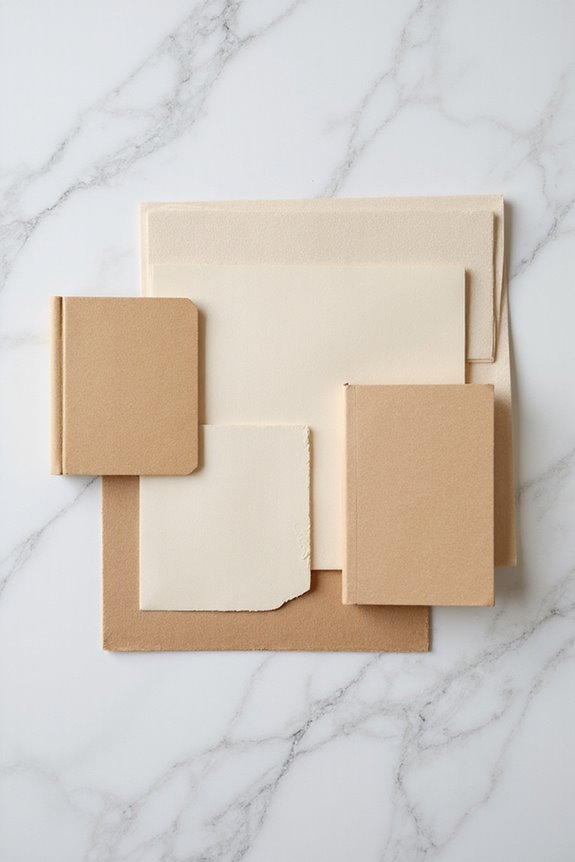
When we’re diving into bookbinding, choosing the right paper and board is essential for not just aesthetics, but durability too. We’ve got to think about different paper types based on our binding techniques. For example, 80 gsm white woodfree paper works well for text-heavy books, while higher-weight paper, like 135 gsm matte-coated options, shines for photo-rich projects. Plus, let’s not ignore texture; a matte finish helps reduce glare, making it easier to read.
When selecting board for covers, remember that thicker options, like 0.12 inch Davey board, offer sturdiness. Emphasizing proper paper weight and board selection not only enhances our book’s functionality but also elevates its overall look. Consider utilizing vintage antique stationery paper for a unique touch. So, let’s get started!
Specialty Supplies for Advanced Binding
Moving beyond our choices in paper and board, let’s talk about the specialty supplies that elevate our bookbinding game. To guarantee precision, we’ll want specialty cutting and measuring tools, like metal rulers and cutting mats, which help us make clean cuts and accurate measurements. Those awls and piercing tools? They’re essential for sewing signatures, allowing us to create consistent holes without tearing. When applying our adhesives, it’s best to use quality brushes—not just any old paintbrush will do! Finally, let’s not overlook book presses and binding clamps; they provide the necessary pressure to flatten our creations and keep everything in place. With these advanced supplies, we’re well-equipped to take our bookbinding skills to the next level!
Recommended Products

【DESCRIPTION】This set of rulers will help you in your bookbinding work, from cutting the corners to positioning the cardboard correctly. You can also use it to cover all types of album covers, make spine structures, double covers, etc. It contains an instruction manual with information on how to use the rulers included in the set.

Material: These templates are made of reselient plastic so it may be bend in transit, you just need to straighten it

Material: These templates are made of reselient plastic so it may be bend in transit, you just need to straighten it
Recommended Kits and Instructional Resources
Whether we’re seasoned bookbinders or just starting out, having the right kits and resources at our fingertips can make all the difference. For those of us looking to immerse ourselves, the Bari Zaki Studio Kit and the Lineco Bookbinding Tool Kit are fantastic options, providing essential tools like bonefolders and awls. DIY kits? They’re perfect if we want to personalize our supplies! Now, let’s not forget the wealth of instructional videos online; they’re invaluable for visual learners and can help us master techniques quickly. Plus, community forums are great for stumbling onto hidden tips during our kit comparisons. By combining the right kits with robust resources, we’ll be well on our way to creating beautiful books!
Recommended Products

Material: These templates are made of reselient plastic so it may be bend in transit, you just need to straighten it

BASIC HAND BOOKBINDING TOOLS for BEGINNERS: A basic set of book binding kit for DIY handmade books or books repairing, school handmade DIY craft, sewing and other paper crafts

COMPLETE BOOKBINDING TOOLS SET FOR BEGINNERS: A comprehensive set of book binding tools for DIY handmade books or books repairing, school handmade DIY craft, sewing and other paper crafts
What Is the Best Workspace Setup for Bookbinding?
To create an ideal workspace for bookbinding, we need workspace organization, efficient lighting, ergonomic setups, and designated areas for each task. That way, we can enhance our creativity while maintaining safety and comfort.
How Do I Clean My Bookbinding Tools?
To keep our bookbinding tools in top shape, we should prioritize regular tool maintenance. Using effective cleaning techniques, like soft brushes and hot water, helps eliminate residues and prolongs their lifespan for future projects.
Can I Substitute Any Tools for Beginners?
Absolutely, we can use alternative tools for beginner techniques in bookbinding! Craft knives, household scissors, and even smooth-edged items work well. Let’s explore these simple options to get started without specialized supplies.
What Safety Precautions Should I Take While Bookbinding?
While we might think a little danger spices up bookbinding, it’s essential we don’t skimp on safety precautions. Wearing safety gear and mastering tool handling is key to avoiding injuries and keeping our creativity flowing.
Where Can I Find Local Bookbinding Classes?
When we’re searching for local bookbinding classes, we can explore community art centers or specialized schools. Checking their class schedules often reveals unique offerings, helping us find resources that suit our interests and skill levels.