As an Amazon Associate, we earn from qualifying purchases. Some links on this site are affiliate links at no extra cost to you. Our recommendations are based on thorough research and editorial judgment.


What Are Fun Writing Exercises With Physical Tools?

If we want to have fun with writing, let’s grab some unique materials! Try using sandpaper or foil for textured paper; it’ll make your letters pop. How about writing in shaving cream? It’s messy, but who doesn’t love a little chaos? We can also mold letters with playdough or stick yarn on lined paper for tactile help. Don’t forget to write on easels for a new perspective! Stick around, and we’ll explore even more engaging activities together!
Key Takeaways
- Use textured papers like sandpaper or foil for tactile letter tracing to enhance the sensory experience of writing.
- Create bumpy writing surfaces by gluing yarn over lined paper, providing a unique texture for letter formation.
- Incorporate manipulatives such as playdough to mold letters, blending play with fundamental writing skills.
- Write on vertical surfaces like easels to engage different motor skills and improve coordination while writing.
- Engage in messy activities like writing in shaving cream for a fun, sensory-rich writing challenge.
Engaging Handwriting Exercises With Unique Materials
You may be interested



When we think about improving our handwriting, it’s easy to overlook the impact that unique materials can have on the process. Using textured papers like sandpaper or foil can really enhance our sensory experience as we write, making the practice more engaging. For example, crafting a bumpy writing surface with yarn glued over lined paper gives us tactile feedback for letter spacing. We could also experiment with manipulatives like playdough or cotton swabs to form letters, adding a playful twist to our practice. And let’s not forget about switching up our writing surfaces! Writing on vertical surfaces, like easels, helps develop different motor skills while keeping things fresh. Incorporating colorful materials in our writing activities can also make the process feel like a game, encouraging continued practice and enjoyment. Let’s explore these creative exercises for a fun handwriting boost!
Recommended Products

100 Sheets Value Pack: includes 100 sheets of raised line handwriting practice paper, providing plenty of pages for repeated practice at school or home; Measuring 11.02 x 7.87 inches, the convenient size fits easily into folders, binders, and backpacks while offering ample writing space

Sufficient Quantity to Use: with the inclusion of 120 sheets of kindergarten paper for writing, our paper ensures that you have more than enough for your daily needs; Whether it is for school, office, or home use, these papers are designed to last

Conforms to the Zaner-Bloser handwriting program for Grades Pre-K and K
Sensory Writing Activities to Enhance Learning
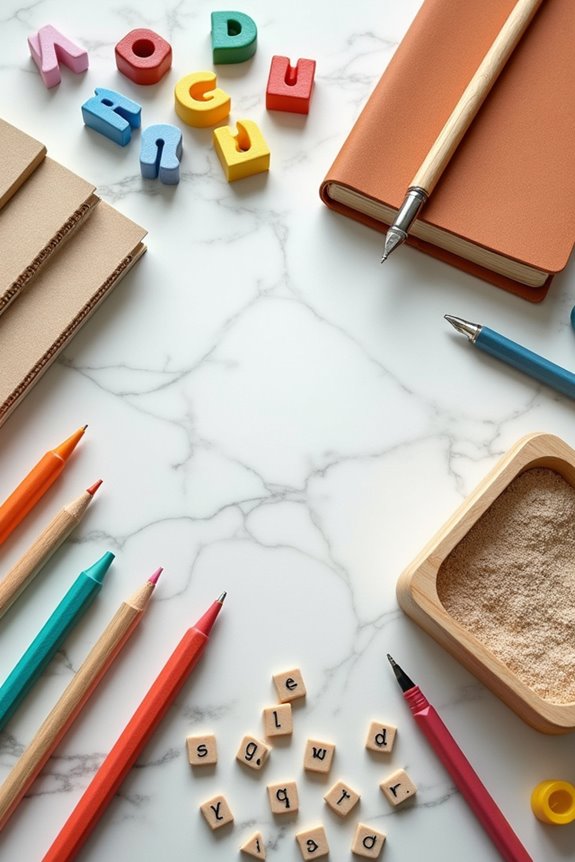
While learning to write, it’s crucial to tap into our senses, so we can make the process not only effective but also fun. Engaging in sensory writing activities enhances our skills through tactile letter formation and sensory integration strategies. Imagine tracing letters in glitter glue; the texture helps boost muscle memory as we learn. Then there’s using playdough for molding letters, fostering our understanding through hands-on experiences. Why not take it a step further and write in shaving cream? It’s messy, but who doesn’t love a good sensory challenge? You can even use nature walks as inspiration for writing prompts. Combining movement with writing keeps us motivated and engaged, turning skill-building into an enjoyable adventure! Additionally, incorporating timed writing sessions can enhance creativity and reduce overthinking, making the writing experience even more delightful.
Recommended Products

FINE MOTOR TOYS: Invite little learners to practice letter formation with the Letter Tracing Sensory Pad, a tactile writing tool that builds fine motor strength and early handwriting confidence. The sensory surface turns practice into engaging play.

ENJOY MORE CALM while your tactile learners are busy with Montessori writing practice for kids age 3-5! See them learning to write independently with our portable wooden letter tracing board.

BOX CONTENTS: Includes one double-sided magnetic alphabet board with uppercase, lowercase tracing faces, plus matching magnet stylus and built-in holder.
Physical Exercises That Boost Creative Thinking
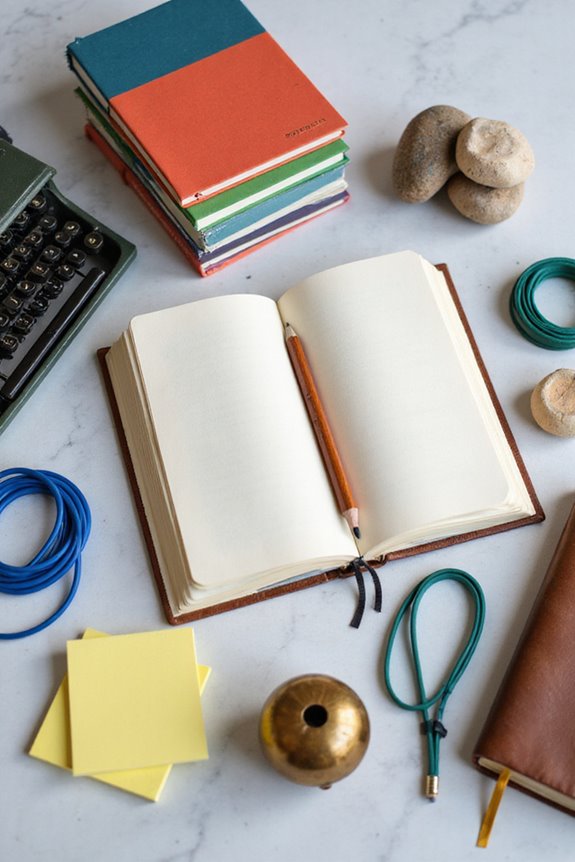
Physical activity isn’t just great for our bodies; it can also work wonders for our creative thinking skills. Imagine taking “brainstorming walks”—strolling outside can help our minds wander and generate fresh ideas. When we’re moving, our brains often connect dots we might miss while sitting still. Let’s not forget about movement prompts! We can try simple exercises like stretching or dancing for a few minutes before a brainstorming session. These activities increase blood flow, which boosts our brain’s creativity. Even short bursts of activity can lift our mood and open our minds to new perspectives. Additionally, engaging in interactive experiences like writing video games can further enhance creativity and storytelling skills. So, the next time we’re feeling stuck, let’s lace up our sneakers and let our creativity flow!
Recommended Products

1.Size:Measuring 8.3 inches x 5.5 inches, this mini notebook is perfect to use as a journal, travel notebook, or diary. Plus, it easily fits in backpacks, handbags or briefcases for on-the-go use!

1.Size:Measuring 8.3 inches x 5.5 inches, this mini notebook is perfect to use as a journal, travel notebook, or diary. Plus, it easily fits in backpacks, handbags or briefcases for on-the-go use!
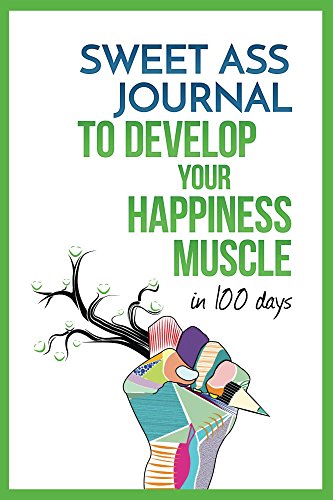
Mindful Writing Techniques for Improved Focus
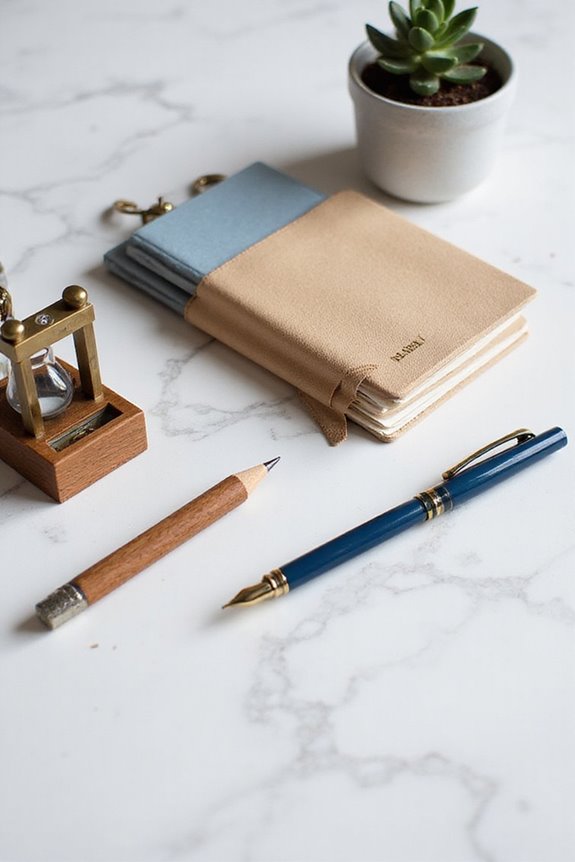
Creating a focused writing environment can feel like a magic trick, transforming chaos into clarity. We can start by seeking out dedicated, quiet spaces that instantly signal our brains to shift into writing mode. Don’t forget to include cozy seating and soft lighting! Incorporating elements like plants can enhance tranquility, supporting mindful breathing as we write.
Let’s pay attention to tactile sensations—hold your favorite pen or listen to the sounds of typing to anchor us in the present. Before starting, a few deep breaths can calm any jittery nerves. Why not set a timer for short bursts of writing? This technique improves focus while helping us engage our senses. Regular journaling, an act of self-awareness and growth, can also enhance creativity and productivity. With these strategies, we can overcome distractions and tap into our creativity!
Recommended Products

SENSORY TOOLS FOR SELF-REGULATION — Mindful Motions are calming sensory tools for kids that support focus and self-regulation. Children slide and twist the patterns to calm down, practice mindfulness, or stay settled while listening to lessons — a hands-on quiet activity that redirects restless energy.

Mesmerizing and Meditative | Great for helping with people with AUTISM, ADHD and ANXIETY. Colors and Patterns create a calming and soothing visual stimulant to calm and keep focus.
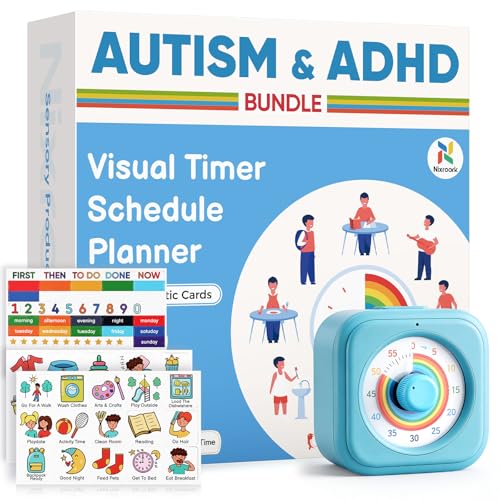
[Visual Timer & Magnet Set]: Empower your child with this autism-friendly time management tool combining a visual timer and visual schedule magnets. It helps kids understand time and sequence, making daily routines smoother at home, in class, or during therapy
Therapeutic Writing Tools for Emotional Well-Being

When we think about ways to enhance our emotional well-being, therapeutic writing tools often spring to mind as effective strategies. One such tool is therapeutic journaling, where we regularly document our feelings and experiences; this helps us process emotions. Embracing poetry expression is another fantastic method, allowing us to creatively convey complex feelings through verse. If we’re struggling with unresolved issues, letter writing—whether to ourselves or others—can clarify our thoughts. For deeper emotional healing, try the Expressive Writing Protocol. Just write about a traumatic event for 15-20 minutes a day, over several days. These practices not only reduce anxiety but also promote resilience, making our journey toward emotional wellness more engaging and fun. Moreover, incorporating daily writing routines can help solidify your growth and exploration in writing. So, let’s pick up those pens!
Recommended Products
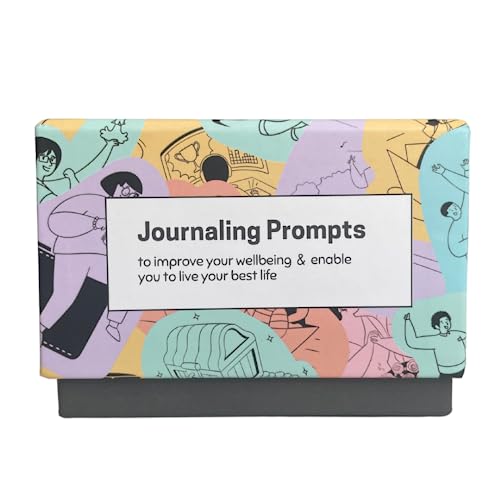
120 JOURNAL PROMPTS, 6 CATEGORIES: Goals & Growth, Work & Career, Love & Relationships, Getting Comfortable Being Uncomfortable, Self-Reflection, and Living Your Best Life — 20 cards per topic.


How Can I Create My Own Writing Tools at Home?
Creating our own DIY writing tools at home can really spark creativity! Let’s gather some creative materials around us, repurpose items like cardboard and paper, and make unique tools that inspire our writing adventures together.
What Age Groups Benefit Most From These Writing Exercises?
We see that all age groups benefit from writing exercises, but elementary benefits stand out for young kids. Adults also find engagement through writing, enhancing mental health while maintaining valuable motor skills. Let’s explore together!
Are There Any Specific Safety Concerns for Using Physical Tools?
In our quest to harness tool safety, we must prioritize injury prevention. By ensuring proper grip, maintaining tools, and using ergonomic aids, we can create a safe environment for all our writing adventures together.
Can These Exercises Improve Handwriting Speed?
We believe these handwriting techniques can lead to significant speed improvement. By practicing structure, letter formation, and using the right tools, we can enhance our overall writing fluency and efficiency in no time!
How Long Should Each Writing Exercise Take to Be Effective?
Did you know that regular practice sessions of just 5–15 minutes can greatly enhance our skills? For effective practice, our writing exercises should ideally last this duration to maximize improvement and maintain consistency.