As an Amazon Associate, we earn from qualifying purchases. Some links on this site are affiliate links at no extra cost to you. Our recommendations are based on thorough research and editorial judgment.


How To Arrange Reference Books On Your Desk?

To arrange reference books on your desk, let’s start by grouping them by category—think subject matter like cookbooks, tech manuals, or novels. Next, use vertical organizers to save space and keep your favorites handy. Don’t forget to label your shelves for quick access. For maximum efficiency, place the most frequently used books within arm’s reach. Dust them regularly and inspect for wear—it’s like giving your books some love. Stick around, and we’ll share tips for maintaining that organization.
Key Takeaways
- Categorize reference books by thematic subjects to streamline access and improve organization.
- Use vertical storage solutions, like wall-mounted shelves, to save desk space.
- Arrange frequently used books closer to your workspace for easy retrieval.
- Implement a labeling system for quick identification of different book categories.
- Regularly dust and inspect books to maintain their condition and appearance.
The Three Box Method for Effective Decluttering
You may be interested



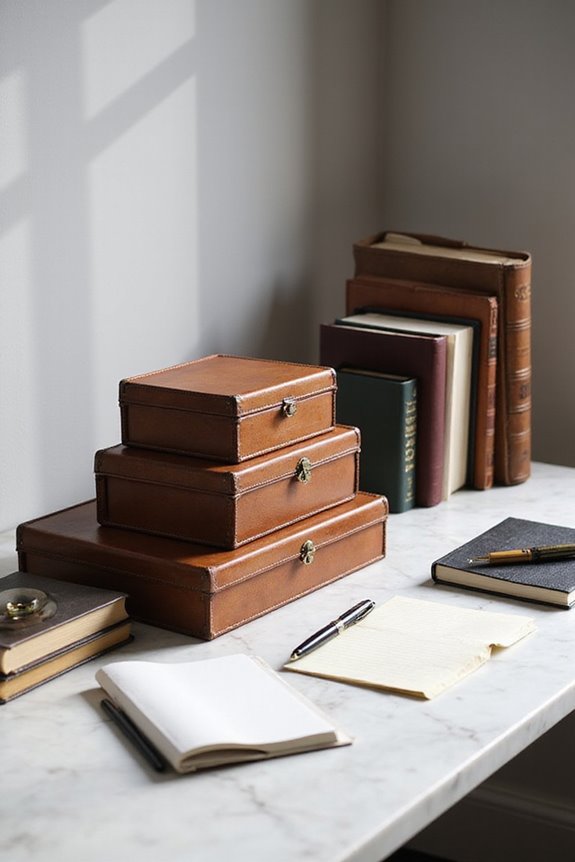
When we tackle the clutter in our spaces, using “The Three Box Method” can really streamline the process. First, let’s prepare our boxes—labeling them clearly as “To Donate,” “To Toss,” and “To Put Somewhere Else.” This box labeling makes decisions way easier. Now, pick a cluttered area to focus on, like a messy desk. We’ll start by removing everything from that spot, revealing a clean surface to work with. As we sort items into the boxes, we’ll keep only what’s necessary or truly valuable. This might include essential writing supplies, such as high-quality gel pens, that enhance our productivity. Finally, let’s quickly empty the donation and toss boxes to maintain momentum. By implementing these decluttering techniques, we’re on our way to creating a tidy and functional workspace, making future organization a breeze!
Organizing Reference Materials by Category
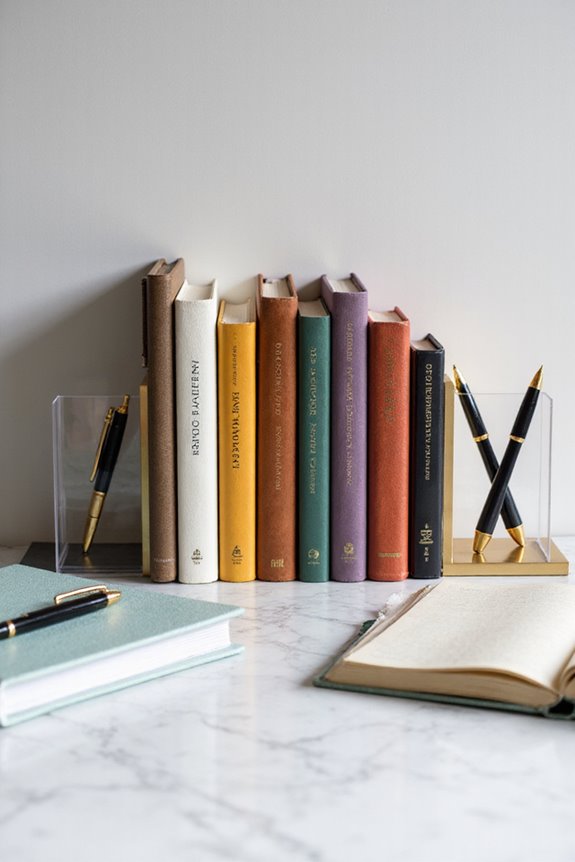
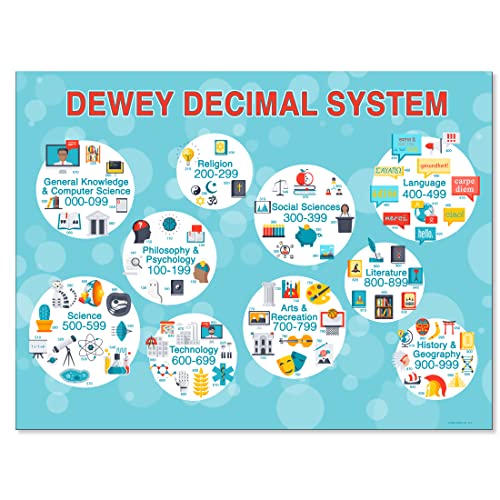
Organizing reference materials by category can make finding what you need a breeze. We can start by grouping our books based on thematic grouping, like cookbooks, technical manuals, or historical references. By establishing a clear category hierarchy, we can separate specialized professional references from general topics, making access easier. Arranging related subjects close to each other will facilitate cross-referencing and enhance our study sessions. It’s also wise to create labels or color codes for easy identification. For example, we could use a basic numeric system, like the Dewey Decimal, for detailed classification. This structure not only keeps our desk tidy but also allows us to quickly retrieve whatever we’re looking for, making our workspace more efficient and enjoyable! Additionally, creating a system that includes summer learning activities can further enhance our ability to engage with the material effectively.
Recommended Products
Original Artwork: Features original illustrations by West Virginia graphic artist Megan Dailey

Organize special collections or communicate information to library patrons with these classification labels

Organize special collections or communicate information to library patrons with these classification labels.Includes:90pcs Arts,90pcs Humor,90pcs Historical Fiction,90pcs Biography,90pcs History.
Utilizing Desk Storage Tools Efficiently
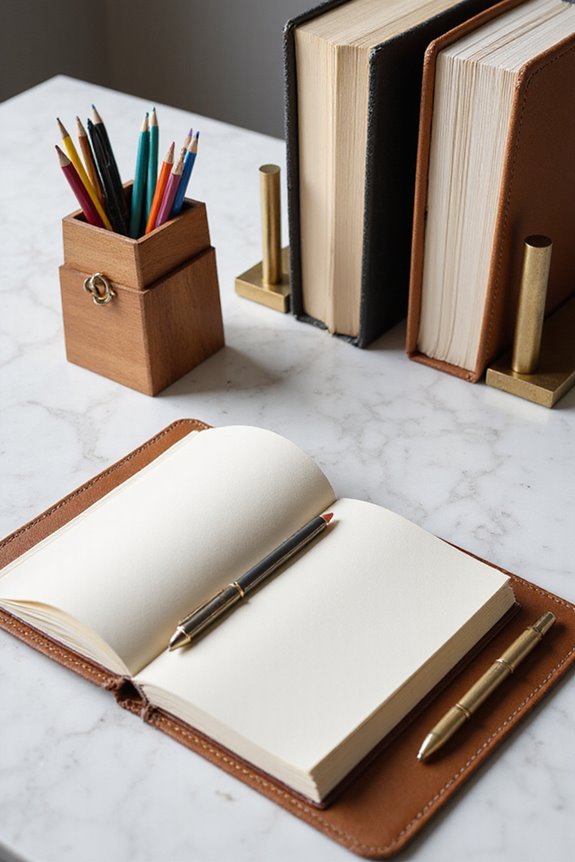
Utilizing desk storage tools effectively can elevate our organizational game, ensuring we can easily access the reference materials we need. First, let’s explore various desk organizer types. Desktop organizers with multiple pockets are fantastic for keeping materials sorted. Vertical storage solutions, like file holders, save space and keep books upright for quick grabbing. Multi-tiered shelves maximize vertical space, reducing clutter while making everything visible. When arranging, sort your reference books by how often we use them, placing the most accessed within easy reach. Adding labeled pockets can help categorize, too. If we combine these tools wisely, like pairing file holders with stackable trays for papers, our desks will look neat and welcoming, making study sessions much more enjoyable! Additionally, utilizing writing organization tools can enhance our workspace efficiency and ensure we stay focused on our tasks.
Recommended Products

Multifunctional Magazine Holder: MINDEPOT file rack can hold magazines, files, binders, books and a variety of office supplies, our vertical file organizer is the perfect practical storage solution for home, office and school.
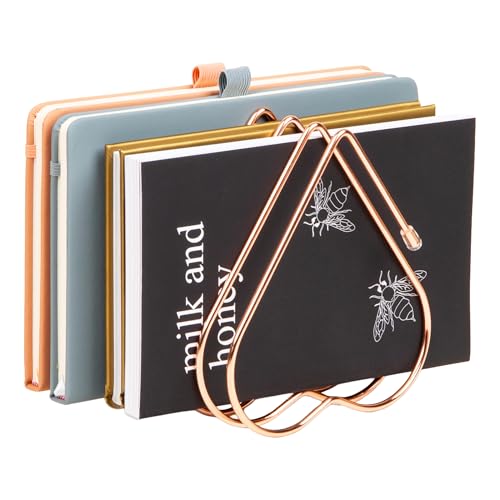
Charming Design: Heart-shaped wire frame adds a touch of whimsy and elegance to your desktop or bookshelf

🗂️ Dimension: 9.25" L x 8.78" W x 7.28" H
Managing Action and Reference Files
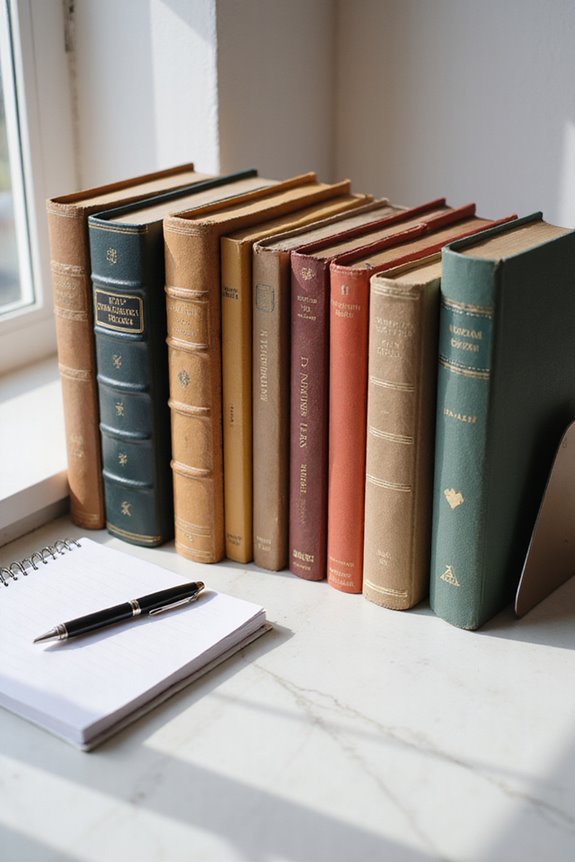
As we explore managing action and reference files, keeping our workspace organized is crucial for maximizing productivity. We should categorize our reference books by topic, making it easier to find what we need. Let’s use labels to identify them quickly—nobody likes digging through stacks! For action files, let’s create designated task zones, allowing us to focus on specific projects. Implementing task prioritization strategies will help us sort tasks by urgency, while utilizing digital organization tools, like storage containers, keeps everything visible. And don’t forget to set reminders for deadlines; we all know how slippery time can be! Regularly reviewing our action files guarantees we’re not holding onto outdated materials, keeping our workspace clutter-free and efficient. Additionally, consider using multi-tier designs to maximize your vertical storage options for reference books, ensuring a more organized and efficient workspace.
Recommended Products

LARGE CAPACITY - Includes 10 sleeve display up to 20 letter-size sheets and adjustable index tabs to quickly direct you to frequently used information.
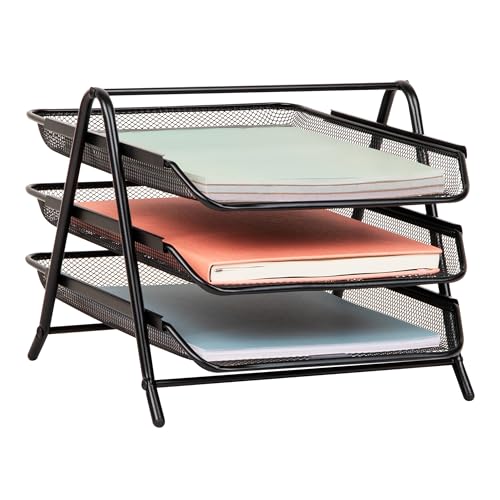
Space-Saving Multi-Tiered Design: Opt for vertical storage with four roomy slide-out trays, perfect for files, mail, documents, folders, bills, and letters, decluttering your desk or counter
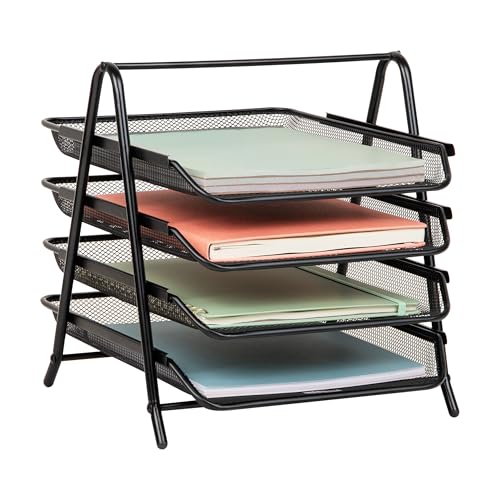
Space-Saving Multi-Tiered Design: Opt for vertical storage with four roomy slide-out trays, perfect for files, mail, documents, folders, bills, and letters, decluttering your desk or counter
Maintaining Desk Organization and Book Care
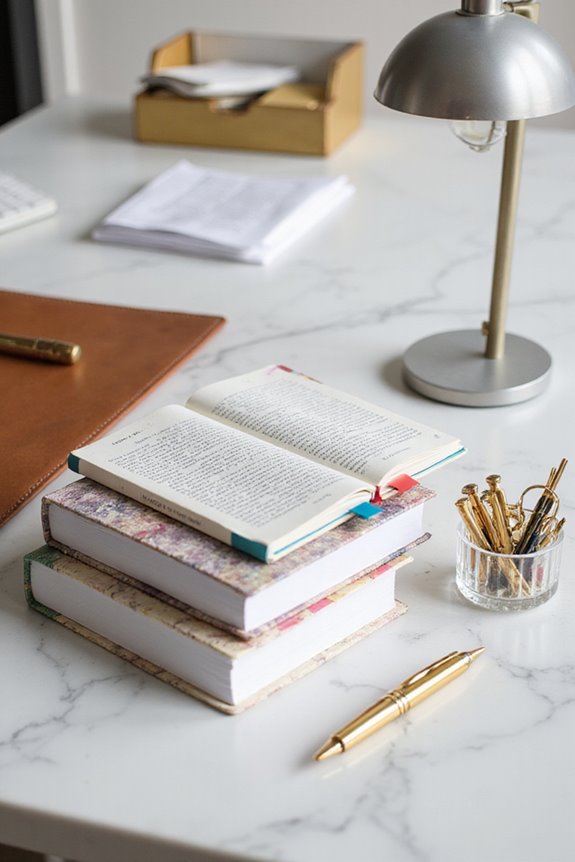
Keeping our workspace tidy goes hand in hand with caring for our reference books. By utilizing vertical space, like wall-mounted shelves, we can improve our workspace efficiency, ensuring our desks aren’t overcrowded. Let’s categorize our books by subject so we can find them quickly, and keep frequently used titles within easy reach.
Regularly inspecting our books for wear is important; we should handle them carefully, store them upright, and avoid eating nearby to prevent damage. Dusting them regularly keeps them looking sharp. Plus, considering digital alternatives can cut down physical clutter, allowing for better book organization. By keeping our desks clear and assigning storage areas, we can create a more inviting and efficient study environment. Incorporating engaging activities for skill development into our study sessions can also enhance our learning experience.
Recommended Products

Wall‑mounted storage baskets lift picture books, small toys and art supplies off the floor. Keeps items out of children’s hands to reduce mess and prevent scattering. Perfect for nursery, playroom and kid bedroom, helping you organize cluttered spaces effortlessly.Two sizes included: 23.5"L x4.3"W x6.3"H (In 2 Baskets), 24"L x4.7"W x6.7"H (In 2 Baskets)
Enhancing Accessibility and Productivity With Reference Books
To enhance our accessibility and productivity with reference books, we need to think strategically about how we organize our resources. Let’s prioritize easy access by keeping frequently used books within arm’s reach, maybe in a desktop organizer. Infrequently used ones can go on nearby shelves or in drawers—out of sight, out of mind, right? When categorizing, group books by subject or project relevance to streamline our workflow. Don’t forget to label everything—color-coded tabs can save us time! Using vertical storage like wall-mounted shelves maximizes our space while keeping clutter at bay. Finally, let’s regularly review our collection, tossing out any that aren’t essential. This way, we guarantee ideal reference book accessibility and boost our productivity enhancement. Additionally, consider incorporating organized writing tools to maintain an efficient workspace as you manage your reference materials.
Recommended Products

Sort A to Z Instantly - 20 alphabetic indexing dividers file bills, statements, and paperwork so you find a document fast

Made of premium quality foam PP and PVC pocket sheets; water-proof and scratch resistant

All-in-One Password Keeper Book with Colorful Tabs: This mini password keeper book features easy-to-use alphabetical tabs for quick access to up to 468 logins, making it perfect for those who need a reliable and organized way to store passwords
How Can I Create a Comfortable Reading Area at My Desk?
To create a cozy reading nook, we should focus on ideal lighting options and comfortable seating. By enhancing our space this way, we can enjoy our reading time more, boosting relaxation and productivity.
What Are the Best Ways to Protect Reference Books From Damage?
To protect our reference books from damage, we should use book covers and be mindful of shelf placement. Keeping them away from direct sunlight and maintaining humidity can help preserve their condition over time.
Should I Digitize My Reference Materials Instead of Keeping Physical Copies?
In the dance of information, we’ve got choices to make. While digital benefits shine with accessibility and cost, physical drawbacks linger, cluttering our spaces. Together, let’s weigh efficiency against the comfort of tangible pages.
How Often Should I Update or Refresh My Reference Book Collection?
We should conduct a biannual review of our reference book collection, incorporating seasonal updates whenever necessary. This guarantees we maintain accuracy and relevancy, keeping our resources up-to-date and useful for our needs.
Can I Arrange Reference Materials in a Way That Reflects My Personal Style?
When it comes to arranging reference materials, we can really make it our own. By using color coordination and thematic arrangement, we’ll create a space that reflects our personality and feels uniquely inviting.