As an Amazon Associate, we earn from qualifying purchases. Some links on this site are affiliate links at no extra cost to you. Our recommendations are based on thorough research and editorial judgment.

How Long Does Book Paper Last?

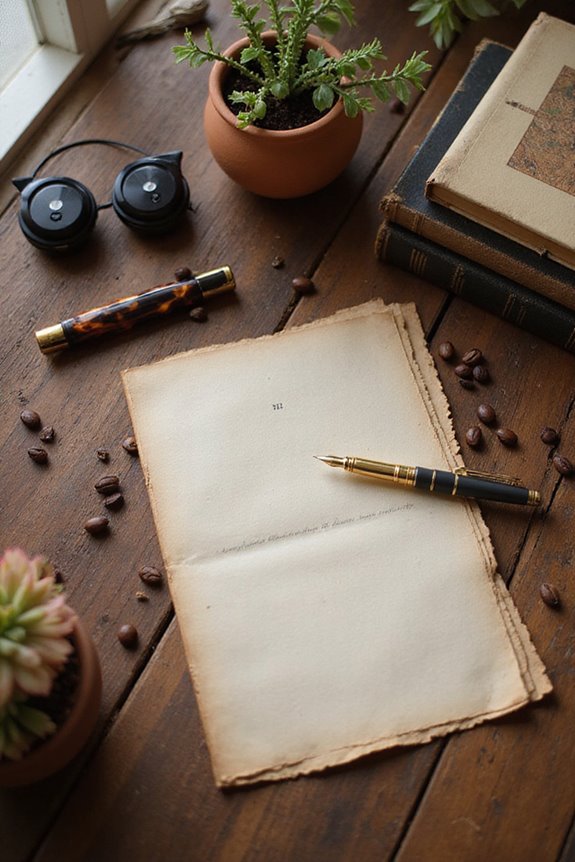
Book paper can last a few decades to over 200 years, depending on the type of paper and storage conditions. For instance, 100% cotton papers are super durable, while coated papers might fade faster. Keeping your books in cool, stable environments with low humidity is essential. And remember, hardcovers are tougher than paperbacks, so if you’re aiming for longevity, go for hardcovers. Interested in more tips on preserving your books? Let’s explore further!
Key Takeaways
- The lifespan of book paper varies significantly based on its type, with 100% cotton papers lasting over 200 years.
- Acidic environments and poor storage conditions can accelerate deterioration, shortening book paper’s lifespan.
- Proper storage at cool, stable temperatures and 30-40% humidity is essential for preserving book paper quality.
- Hardcover books generally last longer than paperbacks due to their structural reinforcements and durability.
- Common aging characteristics, like yellowing and brittleness, indicate that book paper is deteriorating over time.
Understanding Paper Types and Their Longevity
You may be interested


When we think about how long book paper lasts, understanding the different types and their unique properties is essential. Paper grades really matter here. For instance, offset paper offers a great balance of durability and quality, perfect for most books. On the flip side, coated papers might look good but often don’t last as long due to their surface treatments. If we’re aiming for archival standards, we should consider 100% cotton papers, which are lignin-free and can last over 200 years! Freesheet paper, being uncoated and lignin-free, is another solid choice for long-lasting texts. Simply put, knowing your options helps us pick the right materials so our books can stand the test of time. What’s not to love about that?
Recommended Products
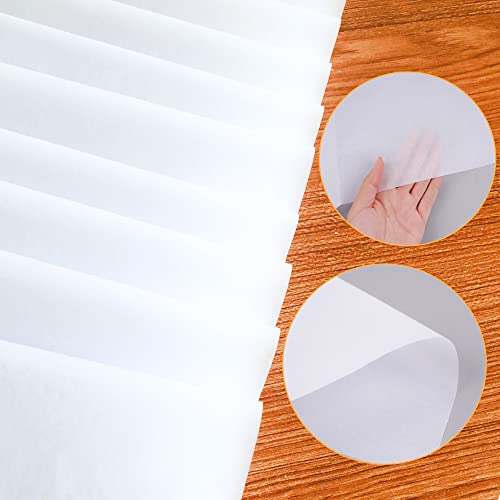
Abundant in Quantity:You'll get 100 sheets of 15×20 inches acid-free tissue paper.The quantity is abundant enough to meet your daily use needs.One of our package containing 10 folded sets of 10 sheets each,which can make it more convenient for you to use what you need,save the rest,and prevent them from being contaminated and damaged.

Package Contents: you will receive 100 sheets of acid free tissue paper, enough to meet your daily use, storage and sharing needs; You can use them for cups, clothes, and other items, you can also share them with your family and friends

Abundant quantity: This bulk pack includes 100 sheets of tissue paper bulk, ensuring you have an ample supply for your daily storage needs. Large size, 30 x 20 inches, the generous quantity also allows you to share these dependable preservation materials with family members or others who may benefit from them.
Factors Influencing the Lifespan of Book Paper
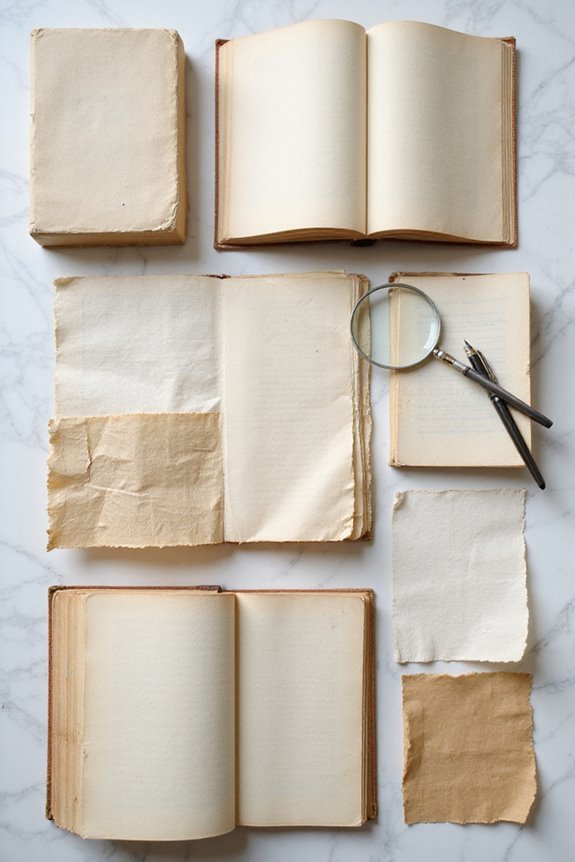
Understanding the factors that influence the lifespan of book paper is essential if we want our beloved books to stick around for the long haul. First off, we need to take into account the acidic environments that can speed up deterioration. Storing books in cool, stable temperatures and maintaining humidity between 30-40% helps combat this issue. We should also limit light exposure—sunlight and artificial light can cause fading and brittleness, so using UV shielding can be a game-changer. Let’s not forget physical handling; rough use can weaken paper fibers, especially in tighter bindings. Finally, material interactions matter too—using quality storage solutions can keep those nasty acids at bay. By following these tips, we can help our books age gracefully!
Recommended Products

Sufficient Quantity: you will receive 6 stretchable book covers, designed with 6 aesthetic colors for you to choose from, providing enough covers to protect multiple books at once

Durable Egg Chair Cover: Made of yarn-dyed oxford fabric, which can block most harmful UV rays to help minimize sunburn and prevent fading and separating for long time use, to extend the life span of your furniture.

These high quality book jacket covers are Center-Loading for Dust Jackets up to 11" tall.
Hardcover vs. Paperback: A Comparison of Durability
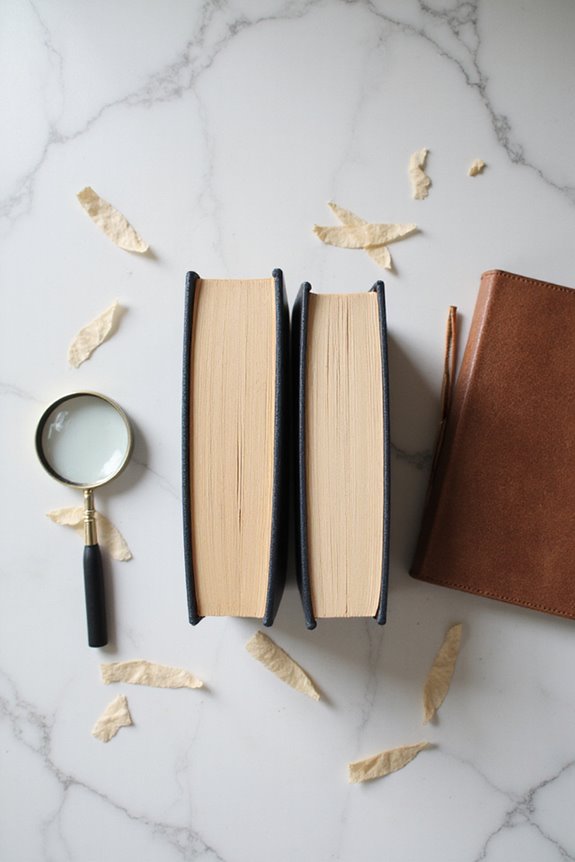
Books, like people, come in all shapes and sizes, and so do their covers. When we talk about hardcover vs. paperback, the differences in durability become clear. The hardcover benefits, like their rigid covers and structural reinforcements, mean they can handle our clumsy hands without breaking a sweat. Meanwhile, paperback drawbacks include their flexible covers, which are prone to bending and tearing, especially if we carry them around a lot. If you’re looking for something that lasts, hardcovers are perfect for collector’s items or books you want to keep pristine. On the other hand, if affordability and portability are priorities, paperbacks can’t be beaten. So, choose based on how you plan to enjoy your books over time!
Recommended Products

Used Book in Good Condition

Heavy Duty: Crafted from a single piece of steel, these heavy duty metal bookends are built for long-lasting strength. Finished with electrostatic powder coating for durability and available in colored options to complement any space. Includes 1 pair/ 2 pieces – Size: Tall 6-7/8" x Wide 4" x Deep 4-1/2".
Common Aging Characteristics of Book Paper
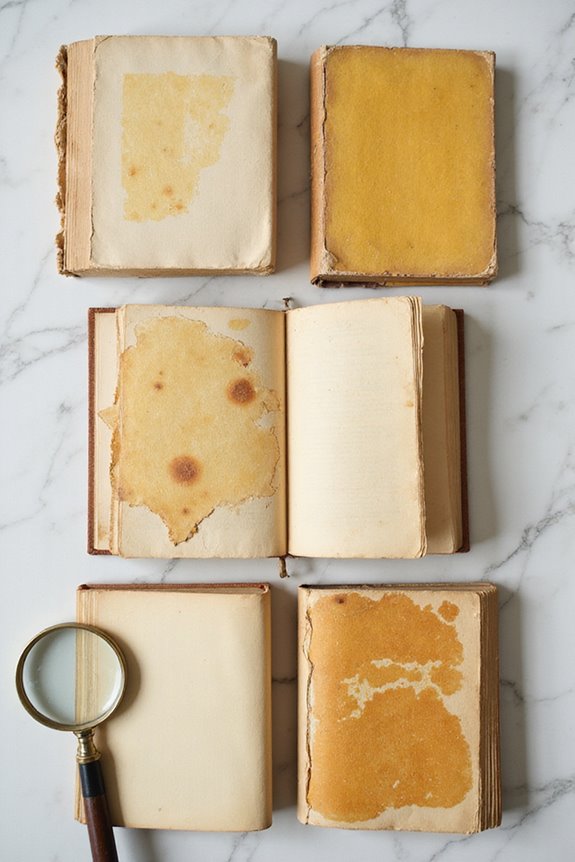
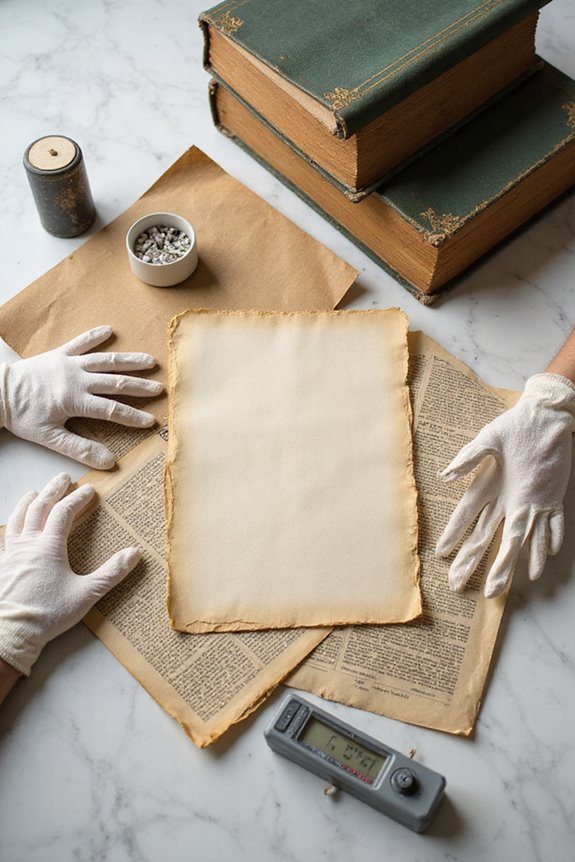
Paper aging can be a sneaky process, often creeping up on us when we least expect it. One of the most noticeable signs is the yellowing effects that appear due to oxidation reactions, especially if lignin is present. As we handle aging papers, we might notice fiber embrittlement, leading to brittle and fragile pages. Humidity effects can cause surface changes, resulting in warped and curled pages. Visual indicators like darkening colors and reduced brightness let us know that chemical breakdown is happening. If we observe areas of staining or uneven text colors, it’s a clear sign of aging. Regularly checking our books for these characteristics can help preserve their condition and usability, so let’s keep an eye out!
Challenges in Preservation and Identification of Paper Quality
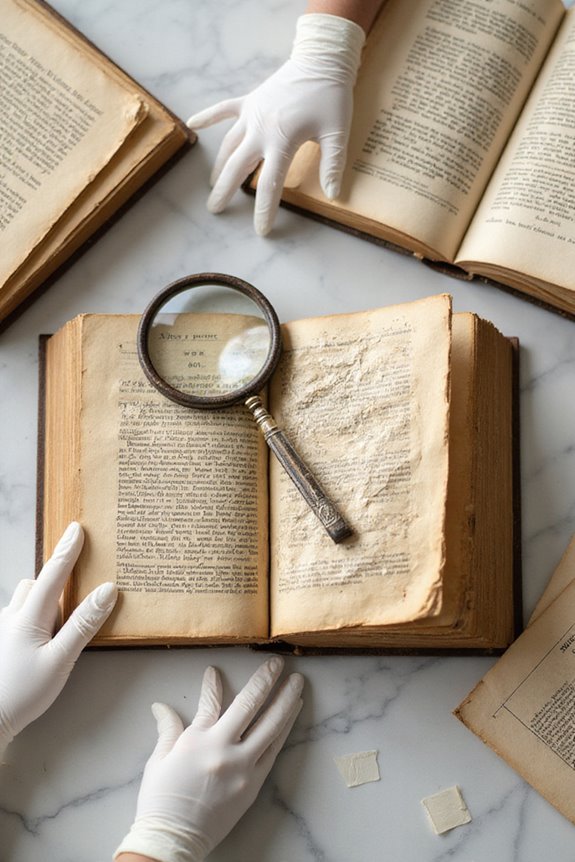
While we might think we can easily spot the quality of paper in our books, it’s often not as straightforward as it seems. Factors like manufacturing variability make identification tricky, as paper from different eras can have wildly different fiber compositions. Plus, with a lack of documentation on older texts, we might not know what we’re dealing with. Visual assessments alone won’t cut it; we need solid identification methods, like pH testing or fiber analysis, to gauge paper stability accurately. For preservation techniques, it’s crucial to evaluate environmental control—humidity, temperature, and light all play roles in deterioration. Remember, caring for your books requires understanding these challenges, so we don’t inadvertently hasten their decline!
Recommended Products

【Highly Accurate and Quick Readout】- 2 Pack (160pcs) HomEnjoy pH test strips is made of high-quality filter paper, extremely accurate and reliable, quick response within 5 seconds

MONITOR YOUR pH LEVELS: With our urine 4.5-9.0 pH test strips, taking a daily body pH test to monitor your levels is quick and easy. Use for urinalyses and test saliva pH to monitor alkaline and acid levels in the body

Monitor Your Health – Take a look at your body from the inside out with saliva and urine pH test strips for humans. Your kit has 125 body ph test strips, a color test chart, and easy PDF instructions by Just Fitter.
Estimated Lifespan Ranges for Different Paper Types
When it comes to understanding how long different types of book paper can last, knowing the specifics can really help us make informed decisions about what to buy. For instance, acid-free papers can last about 50 to 100 years due to their lower acidity, making them suitable for general use but not perfect for archival purposes. In contrast, archival-quality papers, like those made from cotton, are designed to endure for centuries—some even claim up to 1,000 years! Coated papers offer added protection and color retention, while uncoated, acid-free papers can last several hundred years if stored properly. So, when choosing books or printing, consider acid-free benefits and archival importance to guarantee your materials stand the test of time.
Recommended Products

Package Content: You will receive 25 sheets of acid-free tissue papers, and each sheet of paper measures 20x30inch / 50.8x76.2cm. The quantity is enough to meet your daily use need.

Professional-Grade Strength PVA Book Binding Glue - Crafted with an acid-free, pH-neutral PVA formula, this book binding glue preserves photos, rare books, and heirloom artwork without yellowing or brittleness. Perfect for archival projects, DIY bookbinding, and delicate repairs, it meets professional conservation standards to ensure your creations last for generations
Easy to Fold and Store: This range of acid-free paper for storing is crafted from premium quality material with meticulous attention to detail. It is effortless to shape, fold, and cut, whilst remaining lightweight and dependable. The texture is comfortable, and it is both portable and suitable for compact storage
How Can I Maximize the Lifespan of My Books?
To breathe life into our beloved books, we can embrace proper handling and meticulous book care. By nurturing their environment and treating them gently, we’ll weave a tapestry of preservation that stands the test of time.
Does Temperature Affect Paper Durability?
It is understood that temperature extremes, combined with varying humidity levels, can indeed impact paper durability. Maintaining a stable environment can help us preserve the integrity and longevity of our beloved books for years to come.
Are There Specific Storage Conditions for Preserving Books?
When it comes to preserving our literary treasures, humidity control and light exposure are essential. By maintaining stable conditions, we can shield our beloved books from the unkind elements that threaten their permanence.
Can I Restore Yellowed Paper or Books?
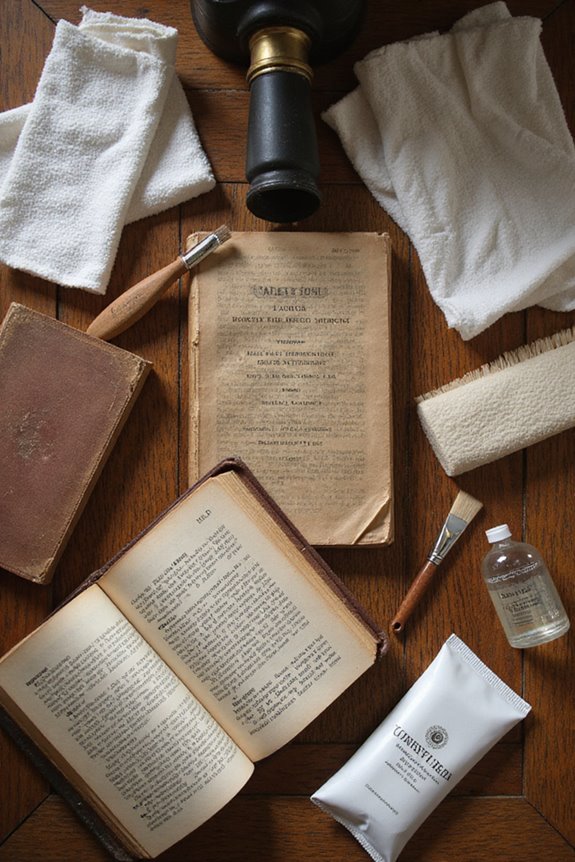
We can restore yellowed paper through careful book conservation techniques like paper whitening and deacidification. While results vary, these methods can enhance appearance and extend lifespan, ensuring treasured books last longer in our collection.
What Types of Inks Are Safe for Long-Lasting Books?
Like a sturdy ship weathering storms, we must choose wisely. Archival inks are our steadfast allies, with pigment outlasting dye, ensuring our books remain as vibrant as the day they were printed. Let’s preserve our stories!