As an Amazon Associate, we earn from qualifying purchases. Some links on this site are affiliate links at no extra cost to you. Our recommendations are based on thorough research and editorial judgment.


What Are Safety Tips For Office Equipment?

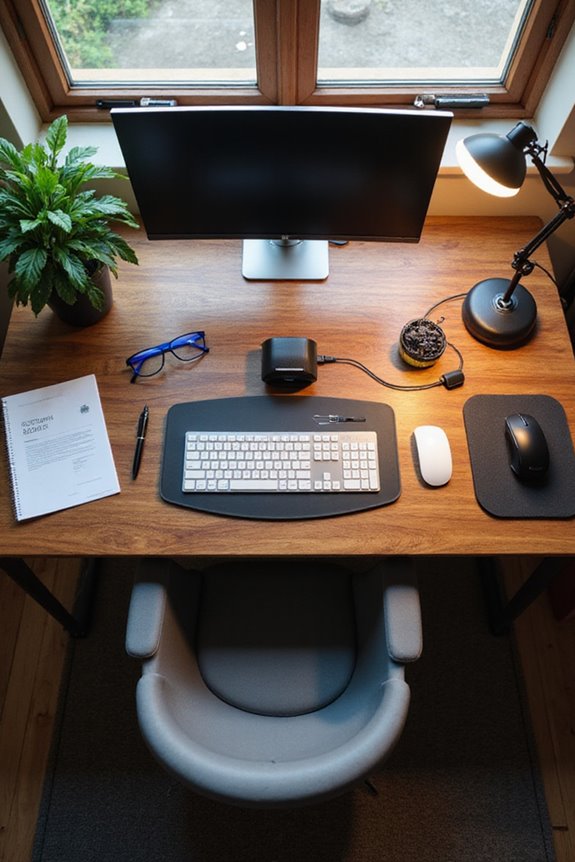
When using office equipment, let’s prioritize safety together. We should set our monitors at eye level to avoid neck strain and keep our chairs adjustable for proper support. Regularly inspect electrical cords for wear and tear, replacing damaged ones immediately. Overloading outlets is a no-go, so let’s avoid that. It’s also key to embrace a safety culture, encouraging open discussions about issues. By focusing on these practices, we’ll create a safer work environment together—and there’s more to learn about boosting office safety!
Key Takeaways
- Conduct regular ergonomic assessments to optimize office equipment setup for comfort and safety.
- Ensure all electrical equipment is certified and regularly inspected for damage or wear.
- Maintain proper machine guards and safety devices to prevent accidents and injuries.
- Encourage frequent safety training and awareness programs to keep safety top-of-mind.
- Promote open communication about safety issues and improvements within the workplace culture.
Ergonomic Best Practices for Office Equipment Use
You may be interested


When we’re setting up our office equipment, it’s essential to keep ergonomics in mind, especially since we’ll be spending long hours at our desks. First, we should conduct ergonomic assessments to determine the best setup for our bodies. Let’s start with our chairs—an adjustable chair that supports our spinal curves is key. Our feet should rest flat on the floor, with thighs parallel to the ground to prevent discomfort.
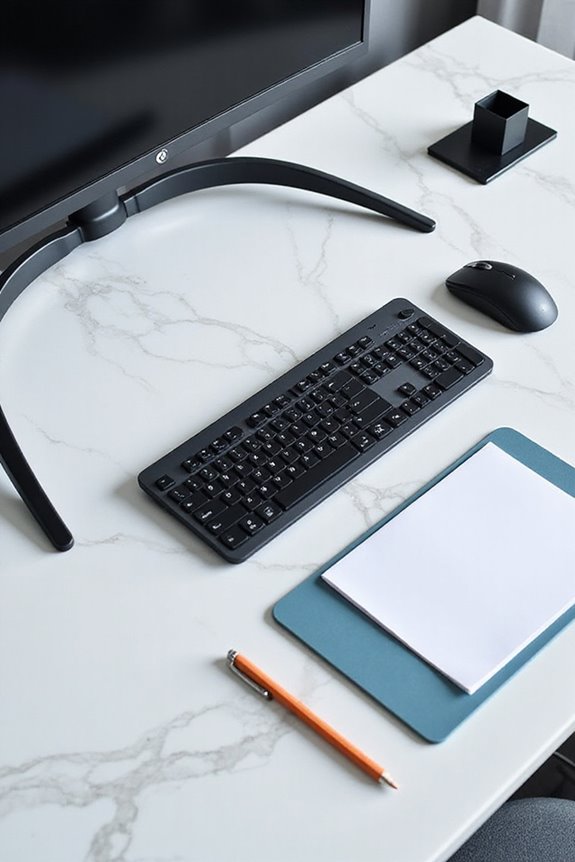
For monitor positioning, the top should be at eye level to minimize neck strain. And when it comes to keyboards and mice, let’s keep them at elbow height for comfort. Small workspace adjustments, like using a footrest or proper lighting, can greatly improve our productivity and reduce fatigue during those lengthy work sessions. Additionally, considering the ergonomic features of our desks can further enhance comfort and support while working.
Recommended Products

Fully Adjustable Office Chair: Customized chairs, featuring with an adjustable 2D headrest, backrest with 90° to 120° recline, and 3D adjustable armrests for multiple work postures at will and discover unparalleled comfort throughout the workday.
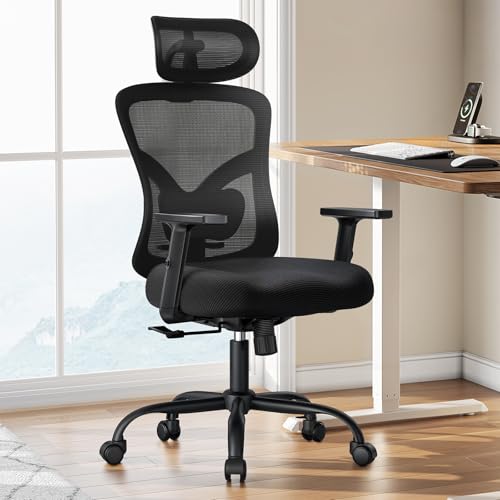
Adjustable Lumbar Support: This ergonomic office chair is designed to align with the natural curve of your spine. It features a 2.4″ height-adjustable range, offering targeted relief for the lower back. The soft, enhanced lumbar pad helps ease tension and alleviate fatigue.
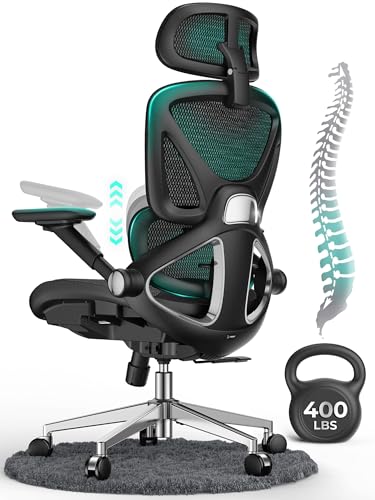
【STURDY, SNUG WORK CHAIR】Made for long sits over 8 hours of desk work. Micro-adjust lumbar support, flip-up arms, and a flexible headrest serve people from 5'5" to 6'2", prolonging comfort. BIFMA X5.1 certifies the reliability of its robust, durable structure, ensuring sustained benefits.
Electrical Safety and Equipment Maintenance
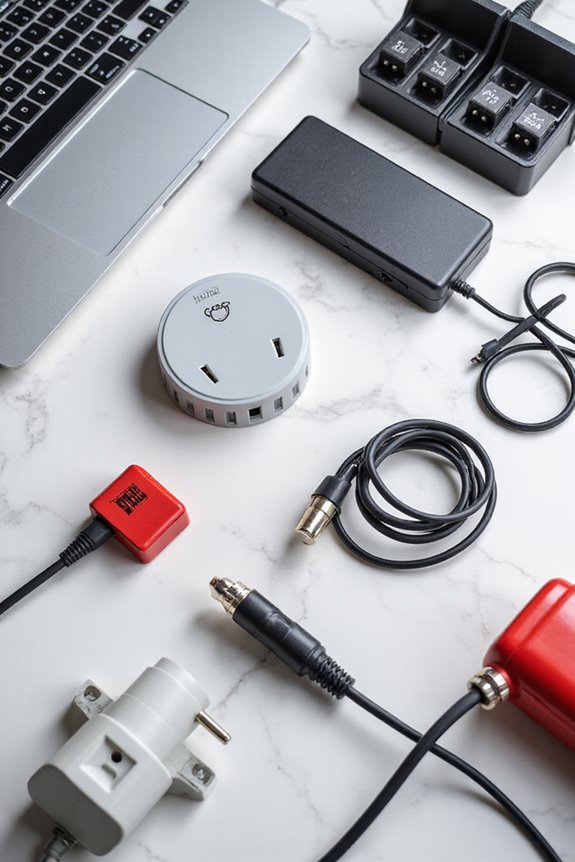
In order to keep our workplace safe, understanding electrical safety and equipment maintenance isn’t just helpful; it’s imperative. We should always use electrical equipment that’s certified by recognized laboratories—this guarantees reliability and compliance. Regular electrical inspections, ideally monthly, are essential. Let’s check for any damage like cracks or frays on cords and replace them immediately if we spot issues; it can save us from potential shocks or fires! We must also avoid overloading outlets and never run cords through busy areas. Additionally, it’s important to switch off appliances when not in use and follow Lockout/Tagout procedures during repairs. Keeping all this in check helps us stay safe and follow regulations. Remember, safety starts with us!
Recommended Products
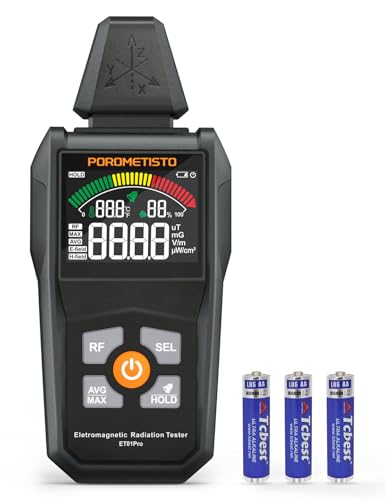
Multifunctional three-in-one detection capabilities: Detect radio frequency(RF), electric fields (EF) and magnetic fields (MF) with ET01Pro versatile EMF meter radiation detector. Covers Wide range 40Hz-100kHz (EF/MF) and 30MHz-8GHz (radio frequency). Detect all modern wireless communication signals including 5G and Wi-Fi.

Vehicle inspection report book helps document and report needed repairs to help maintain safe workplace utility vehicles.

Importance of Machine Guards and Safety Devices

While we’ve touched on the importance of electrical safety and equipment maintenance, we can’t overlook the role of machine guards and safety devices. These tools are essential for keeping us safe as we navigate potentially hazardous machines. For instance, fixed guards offer solid protection, while interlocking guards stop operations when they’re opened—like a safety net. Presence-sensing guards use sensors to detect our location, ensuring machines don’t operate dangerously close to us. Additionally, integrating safety device features like safety interlock switches and bumpers can further shield us from mishaps. So, let’s prioritize these machine guard types to minimize injuries. Remember, a little precaution today keeps us safe tomorrow—no need for drama; just smart choices!
Recommended Products
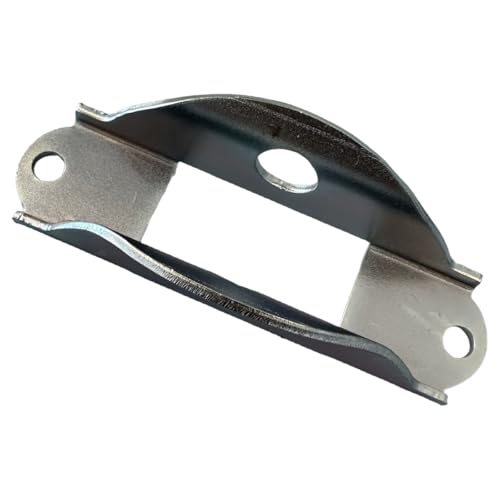
【Secure Handle Protection】Helps restrict direct access to operating handles when used with appropriate lockout procedures, supporting safer maintenance and equipment management practices.

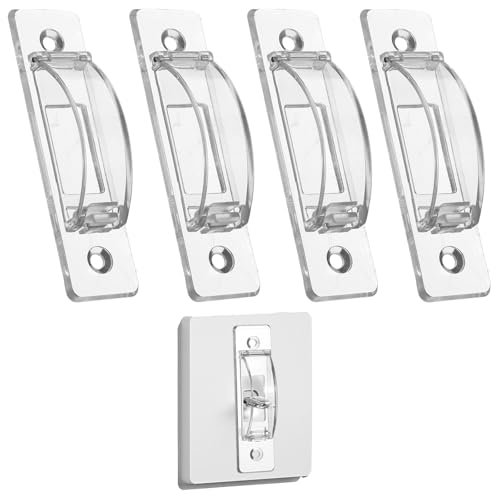
【Premium Material】Light switch guard cover made from high-quality PC and ferroalloy materials, these light switch cover are resistant to cracking or breaking, light switch cover guard ensuring reliable and consistent performance for long-lasting protection of your switches.
Regular Training and Awareness Programs

Regular training and awareness programs are essential for keeping our workplace safe and sound. We should aim for at least 20 hours of safety training each year; research shows this boosts compliance with safety protocols considerably. To keep everyone engaged, let’s utilize various engagement techniques, like interactive videos and peer discussions. These methods not only make training more relatable but also enhance retention of critical information. New hires deserve focused training in their first year—unfortunately, many don’t receive it. By frequently revisiting essential topics, we can cut down on injuries and create a safer environment. Remember, ongoing training isn’t just an obligation—it’s a way to promote a proactive safety culture and protect our teams effectively.
Recommended Products


Designed with anti-slip stripes and a fine frosted texture for enhanced grip and stability. The increased surface friction ensures safe contact with both the floor and your body, keeping every movement controlled and confident.
Creating a Safety-Conscious Workplace Culture
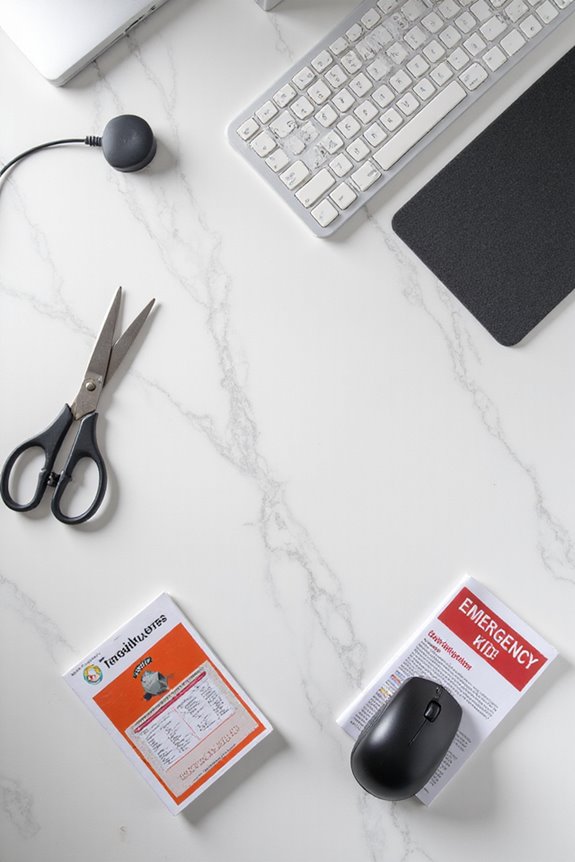
Creating a safety-conscious workplace culture starts with us—everyone from leadership to entry-level staff has a role to play. It’s vital that leadership engagement is visible; when managers actively participate in safety initiatives, it makes a significant difference. We should encourage open communication, fostering psychological safety where team members feel comfortable reporting errors without fear of blame. Imagine our break room as a space for sharing safety tips rather than just coffee gossip! Regularly evaluating our safety culture through surveys can help identify areas for improvement. Plus, collaborating with different departments allows us to tackle safety issues together. By creating a blame-free environment, we all contribute to a safer workplace for everyone, including ourselves. Let’s make safety a team effort!
Recommended Products
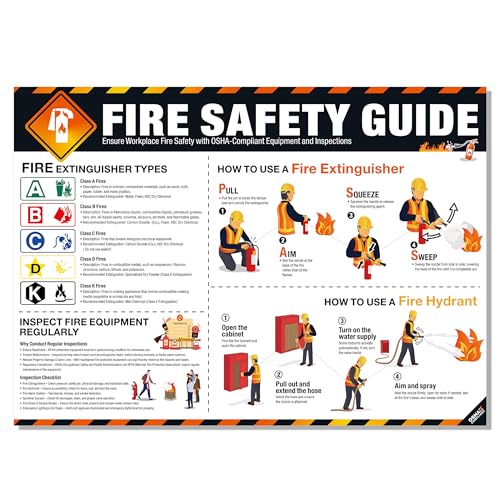
Fire Safety Poster – OSHA-Compliant Visual Guide, Includes fire extinguisher types, usage steps, and hydrant operation—all aligned with OSHA safety standards to promote emergency readiness in any workplac

OSHA-Compliant Fall Prevention Poster - Clearly outlines key hazards including spills, cables, uneven flooring, and obstructions to support OSHA safety training and compliance.

Promote Workplace & Forklift Safety – Educates forklift operators on safe handling techniques, helping reduce accidents, injuries, and equipment damage in warehouses, factories, and construction sites.
How Can I Identify Equipment Hazards in My Office?
Like detectives in a mystery, we can uncover hazards in our office by conducting thorough inspections, analyzing data, and gathering employee insights. Together, we’ll enhance hazard identification and boost workplace safety for everyone.
What Should I Do if I Notice Unsafe Equipment?
If we notice unsafe equipment, we should promptly follow reporting procedures, alerting the appropriate personnel. It’s essential for us to guarantee proper equipment maintenance, keeping everyone safe and minimizing risks in our workplace.
Are There Specific PPE Requirements for Office Equipment?
As the saying goes, “an ounce of prevention is worth a pound of cure.” We should follow PPE guidelines and prioritize equipment maintenance to guarantee our safety and health in the office environment.
How Often Should Safety Training Sessions Be Conducted?
We should conduct safety training sessions at least annually, but ideally more often. Each session’s duration can vary—let’s guarantee we cover essential topics thoroughly while keeping our team engaged and informed for safety’s sake.
What Are the Signs of Equipment Failure to Watch For?
When should we worry about equipment? We must stay vigilant for failure indicators like unusual noises, leaks, or overheating. Regular equipment maintenance can help us catch these signs early, ensuring smooth operations and minimizing costly breakdowns.